
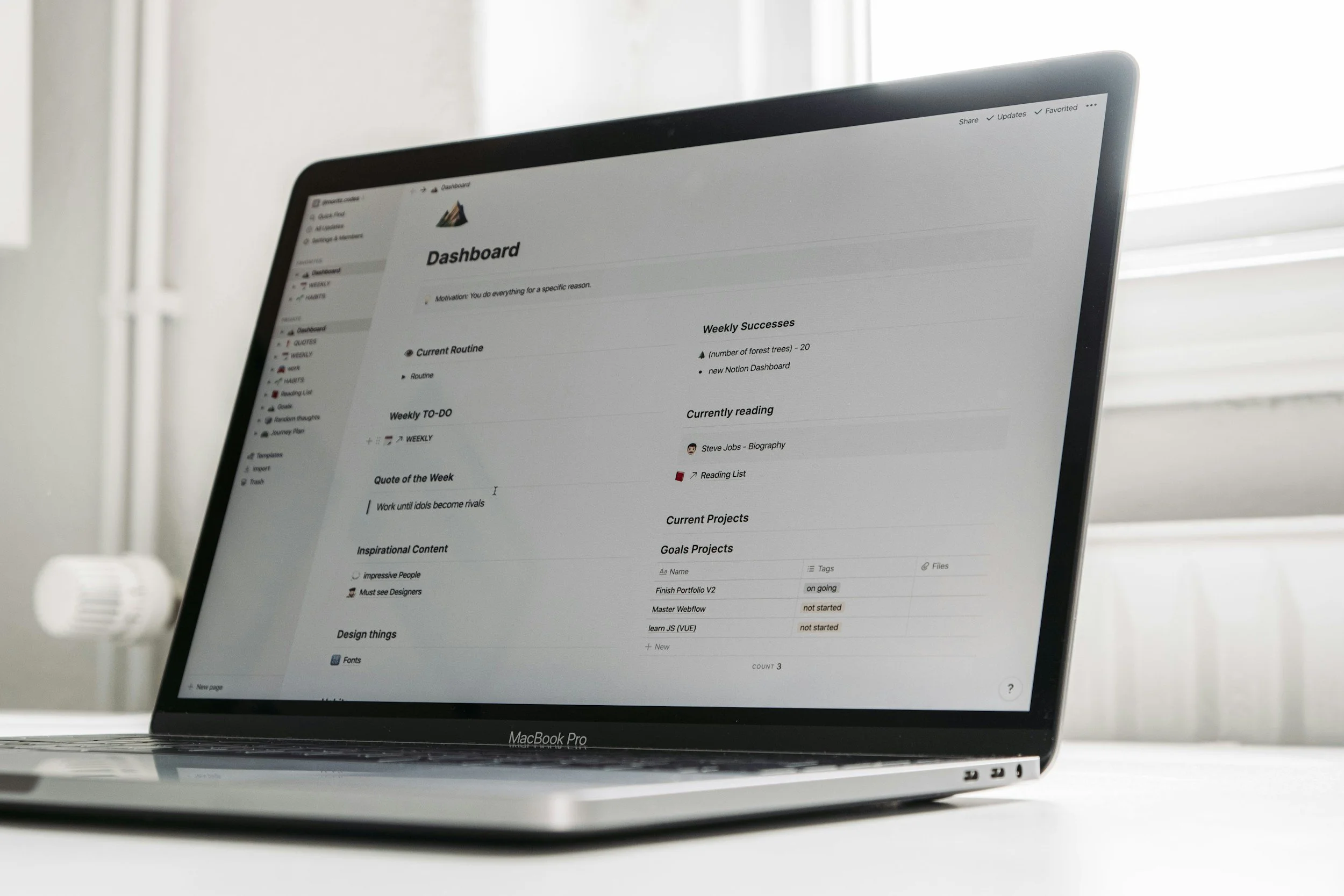
Client & Worker Portal
Every implementation includes a secure online portal that connects workers and clients directly to the operational workflow.
Instead of emailing forms, spreadsheets, or chasing updates, users interact with the system itself.
Information is entered once and immediately becomes part of the live process.
Work is recorded, approved, invoiced and reviewed in a single place — eliminating administrative follow-up and duplicated effort.
The portal becomes the front door to the operation, not an add-on.
For workers
Workers manage their own activity without contacting the office or waiting for updates.
From any device, they can:
Submit timesheets securely and accurately
See approval status in real time
Track payments and billing history
Access contracts, compliance and supporting documents
Because workers can see exactly where their work sits in the process, uncertainty is removed.
There are no “Has this been approved?” or “When will I be paid?” emails — issues are prevented before they arise rather than handled after the fact.
For clients
Clients confirm work and access records without staff involvement or back-and-forth communication.
Through secure access, they can:
Approve work via direct links
View active placements, projects or assignments
Access current and historical invoices
Retrieve documents whenever required
There are no login issues, no attachments to download, and no repeated requests to resend invoices or paperwork.
Everything is available when needed, in one place.
A structured process, not an inbox
The portal replaces inbox-driven administration with a structured, system-led workflow.
Instead of staff acting as intermediaries between workers, managers and finance, the system connects everyone directly to the same source of truth.
Each action moves the process forward automatically.
The operational impact
Fewer emails
Fewer interruptions
Fewer manual updates
Clear accountability at every stage
The office no longer processes routine administration.
It manages exceptions, oversight and control.
The result is a calmer operation, fewer errors, and a system that scales without increasing headcount.